Building a Better Team

Why is Emotional Intelligence Important in the Workplace?

Studies have shown that 90% of top business performers demonstrate high levels of emotional intelligence in the workplace. Despite the importance of this skill, only 36% of people are emotionally intelligent enough to identify their emotions as they occur accurately.

Why is there such a disconnect, and how can we bridge the gap?

Elements of Emotional Intelligence

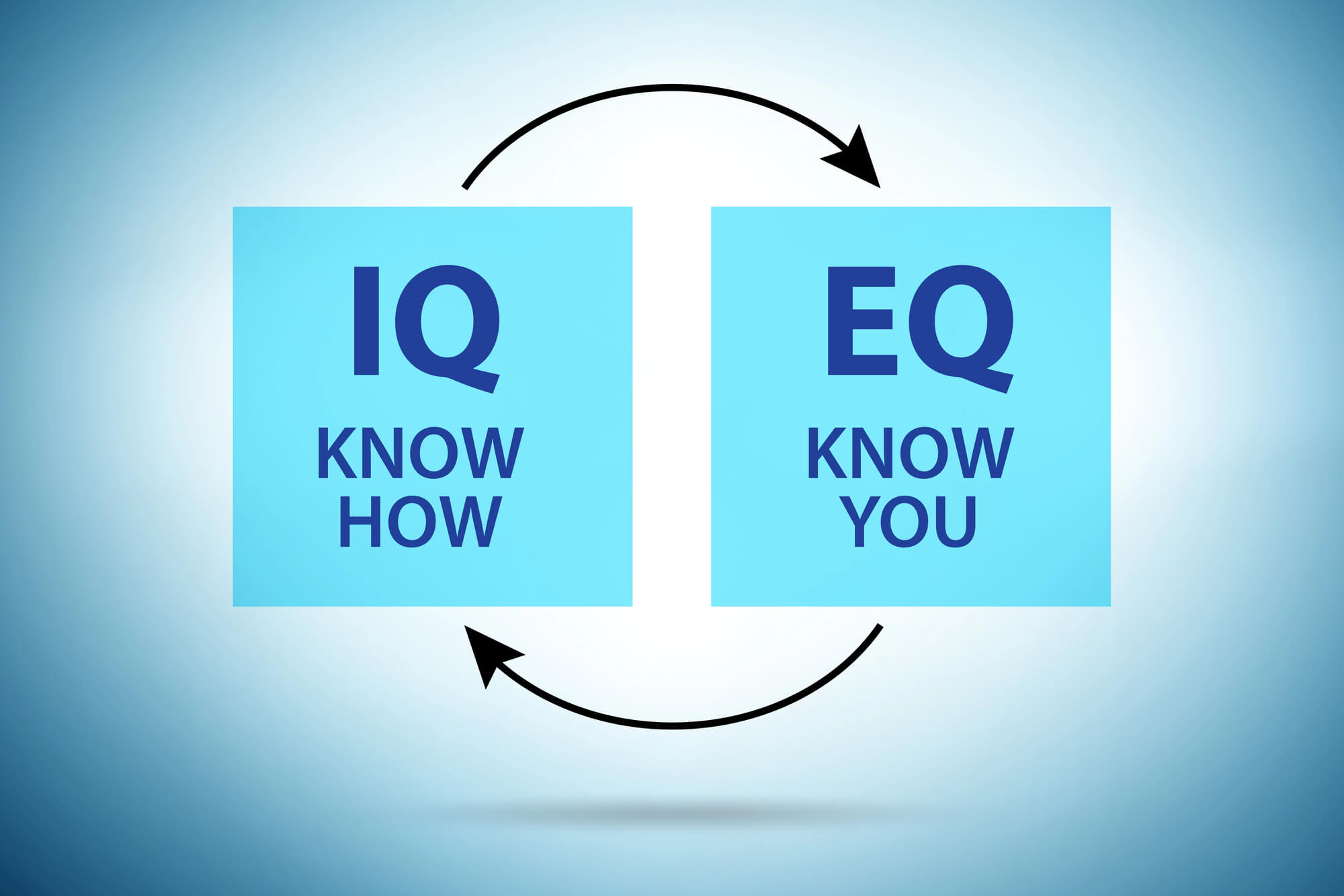
Workplace emotional intelligence is simply the ability to recognize, understand, and manage emotions at work, whether those emotions are yours or your team’s.

There are a few key components of emotional intelligence to know:

  • Self-awareness: Self-awareness helps with conflict resolution, interpersonal skills, and improved decision-making. It’s essential to have a clear view of one’s strengths, weaknesses, thoughts, and feelings. An emotionally intelligent leader should understand how others perceive him and make necessary improvements.
  • Self-regulation: Being aware of your emotions is not enough—you must also be able to control them. Self-regulation is key to staying calm under pressure and maintaining your composure.
  • Internal motivation: Optimism is contagious. When leaders are motivated, passionate about their work, committed to success, and driven by their internal incentives, they can consistently motivate their team.
  • Empathy: True emotional intelligence isn’t just about understanding yourself—it’s also about understanding others. An empathetic leader can build strong relationships with team members by adding a more human component to the employer-employee dynamic.
  • Social skills: Finally, emotional intelligence in the workplace involves social skills such as building rapport, managing conflict, and encouraging collaboration on your team. An emotionally intelligent leader must also be an effective communicator, an active listener, and a great negotiator.

A lack of emotional intelligence in the workplace can make your employees feel unsettled, unsure of where they stand with you, and unclear about your genuine thoughts and feelings. An emotionally intelligent leader can relate to team members without letting their emotions cloud their judgment, creating an environment of trust, respect, and open communication.

How to Improve Emotional Intelligence in the Workplace

If you feel that you might be lacking in the emotional intelligence department, don’t despair. This skill can be cultivated over time if you’re willing to put in the work.

First, it’s essential to assess your current emotional intelligence level accurately. While your team might not feel comfortable giving you their honest opinions, a trusted friend or mentor can help you understand how self-aware you are. Compare their impression of you to your perceptions to see how far off you are.

Second, learn from leaders who inspire you. Is there anyone in your industry or networking circle that you admire? How do they conduct themselves around others and inspire trust? You can learn a lot by observing examples of emotional intelligence in the workplace.

Finally, don’t be afraid to seek outside help. Those closest to us will often be somewhat biased in their assessment of our emotional intelligence. A third party, such as a business coach, can objectively evaluate your leadership style and give constructive feedback to help you grow.

Want to learn more about developing your emotional intelligence in the workplace? Click here and sign up for my weekly complimentary blog articles on leadership, personal growth, and more.

Coach Dave

Dave Schoenbeck is a professional business and executive coach who translates complex business methods, processes, and strategies into actionable plans to dramatically improve financial results. Read more about Dave here.
Dave Schoenbeck

Dave Schoenbeck is a professional business and executive coach who translates complex business methods, processes, and strategies into actionable plans to dramatically improve financial results. Read more about Dave here.

Share
Published by
Dave Schoenbeck

Recent Posts

How to Differentiate Your Business: Stop Trying to Be Better and Start Being Different

Most business owners I meet want to build a better company. Better service. Better quality.…

6 days ago

What Really Keeps Business Owners Awake at 2 am

Most people assume business owners lose sleep because they have too many problems. After more…

3 weeks ago

How to Successfully Get Out of a Failing Franchise Business

If you are wondering how to get out of a franchise that is consuming your…

1 month ago

Entrepreneurs: Push Your Limits and Read the Book Elevate by Robert Glazer

If you’re dealing with stalled growth despite knowing your market well, it’s worth asking whether…

1 month ago

Challenges and Solutions for Your Family Business

You don’t have to watch reality TV to know that family businesses can be both…

2 months ago

Can Introverts Succeed in Sales Roles?

Very few business owners, executives, and hiring managers believe their introverted staff can excel in…
2 months ago